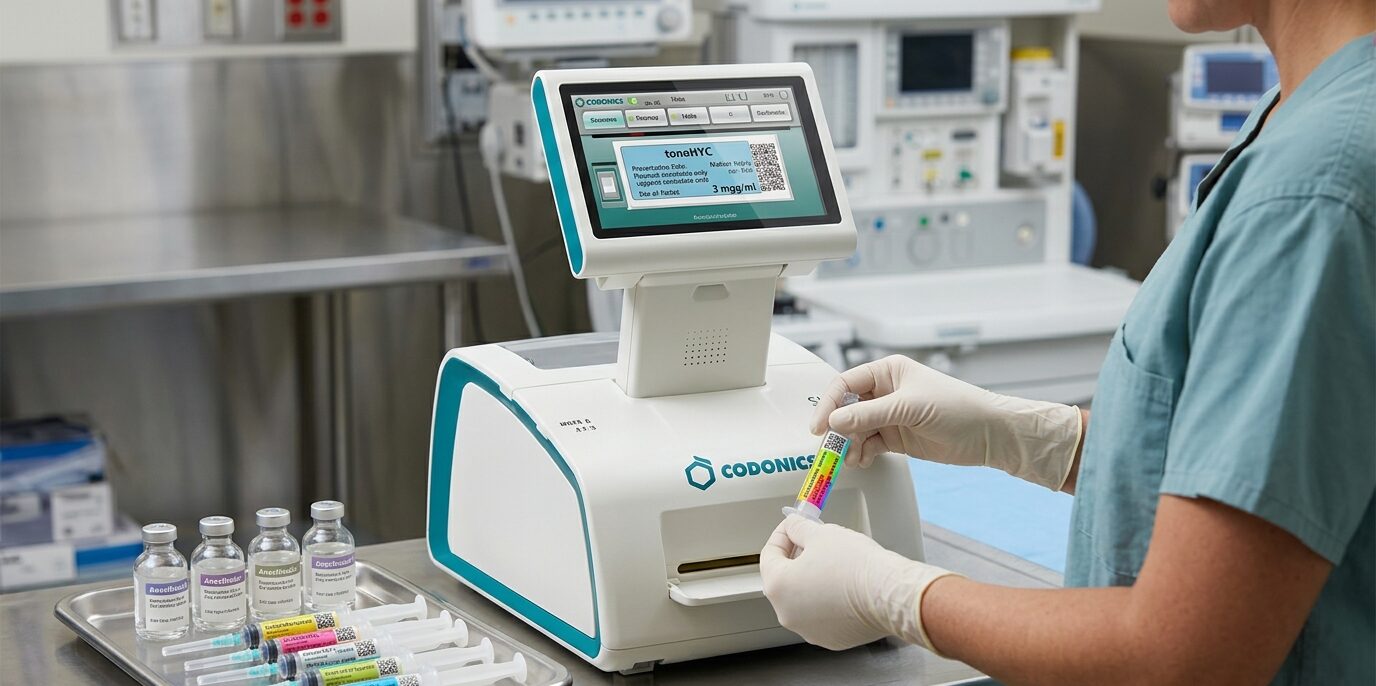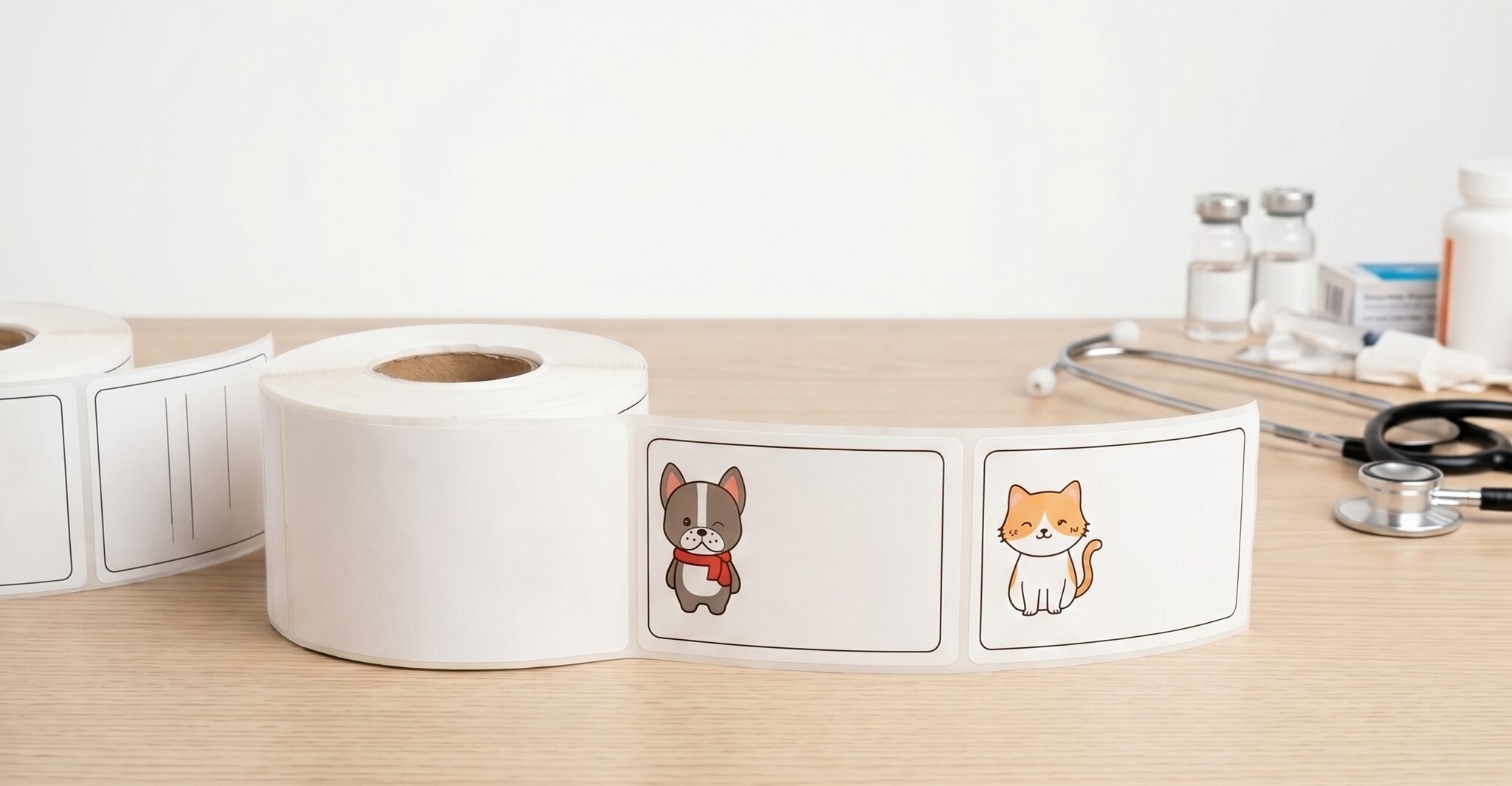

In fast-paced medical environments, clear communication isn’t optional, it’s essential. Whether at the bedside, in the OR, or during a patient handoff, a single oversight can lead to serious, even life-threatening, consequences. That’s where medical alert labels come in.
From Do Not Resuscitate to Latex Allergy or Isolation Precaution, alert labels are a simple but powerful tool that helps clinical teams quickly identify crucial patient information, preventing errors and improving response times.
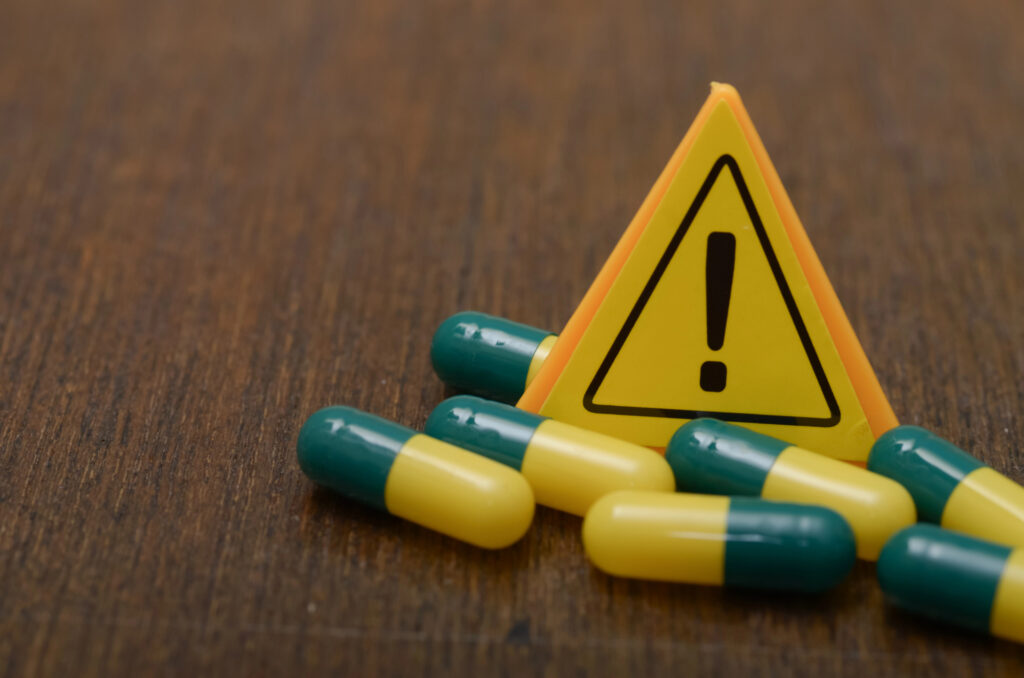
Medical alert labels are brightly colored, highly visible stickers or tags that are placed on:
They communicate critical patient status or instructions; things that can’t be missed or misinterpreted. The goal: provide instant recognition so clinicians can act appropriately and safely without second-guessing.
Some of the most widely used alert labels in healthcare facilities include:
Clearly communicates that a patient has legally declined life-saving interventions in the event of cardiac or respiratory arrest.
Notifies staff to avoid latex gloves, equipment, or medications containing latex to prevent severe allergic reactions.
Fall Risk labels help staff monitor and support patients at higher risk of falling, often triggering the use of bed alarms, assistive devices, or increased supervision.
Indicates that special infection control measures must be followed for items needing isolation or contact precaution, such as wearing PPE or limiting room access.
Ensures the patient isn’t given food, drink, or oral medications before surgery or testing procedures.
These alert labels are often color-coded for fast visual interpretation, such as red for danger, yellow for caution, or purple for special conditions.
Medical errors can occur for many reasons: shift changes, incomplete documentation, verbal miscommunication, or overlooked records. Alert labels act as a visual safety net, reinforcing critical information at the point of care.
They support:
In short, they turn passive data into active safety signals; visible, immediate, and actionable.
At Nev’s Ink, we’ve spent over 35 years helping healthcare providers improve safety and reduce errors with high-visibility, high-performance medical labels. Our alert labels are:
Whether you’re restocking your label station or building a custom set for your EMR workflow, Nev’s Ink delivers clarity that protects patients and staff alike.
In a busy clinical environment, a label might be the last thing you notice, but it could be the most important. Medical alert labels are a proven way to enhance patient safety, improve communication, and reduce the risk of preventable errors.
If your facility isn’t using a standardized alert labeling system, now is the time to implement one.
Need help choosing the right alert labels for your department? Reach out to Nev’s Ink and let our team guide you to solutions that keep patients safer, and your team better informed.