
Laboratory managers in hospitals and university settings are responsible for more than just operational efficiency. They must ensure that every specimen processed meets strict regulatory standards set by CLIA and CAP. Labeling plays a central role in this process, directly impacting traceability, accuracy, reliability, and audit outcomes.
As regulatory expectations continue to evolve, many labs are turning to standardized labeling systems and cost-effective alternatives, such as Misys/Sunquest, Cerner/Oracle Health, and Epic Beaker-compatible labels, to maintain compliance while improving workflow efficiency.

The Clinical Laboratory Improvement Amendments (CLIA) establish federal standards for laboratory testing across the United States. These regulations focus heavily on ensuring that every specimen can be accurately traced back to the patient and the collection event.
CLIA requires laboratories to maintain detailed records and specimen traceability for at least two years, according to compliance guidance from CMS and industry checklists. Documentation must be retained for at least two years, and every step in the testing process must be verifiable during an inspection.
According to compliance guidance, traceability is a core requirement. Labs must be able to demonstrate that results are directly linked to the correct patient sample. Failure to meet these standards can result in serious consequences, including suspension or loss of certification.
The College of American Pathologists (CAP) is a globally recognized organization of board-certified pathologists that provides laboratory accreditation programs. CAP accreditation is considered one of the highest standards in laboratory quality and is often pursued by hospital and university labs looking to demonstrate excellence beyond baseline regulatory requirements.
CAP inspections go beyond CLIA by introducing more rigorous and frequently updated standards. These inspections are conducted every two years and are often unannounced, which means labs must remain inspection-ready at all times.
One key difference is CAP’s emphasis on detailed traceability and quality assurance. CAP requires additional labeling elements and encourages the use of barcode-driven systems to maintain complete audit trails. This is particularly important in high-volume hospital labs and complex university research environments where manual processes increase the risk of error.
Proper labeling is the foundation of compliance. Without it, even the most advanced lab systems can fail during an audit.
Every specimen label must include clearly identifiable information that links the sample to the patient and the collection process. These elements include:
These requirements ensure that each specimen can be tracked from collection through testing and reporting.
CAP expands on CLIA requirements by introducing additional elements that support deeper traceability and quality control. These additional requirements help reduce variability and ensure consistency across all laboratory processes.
Traceability is not just a regulatory requirement. It is a critical component of patient safety and operational accuracy.
In practice, traceability means that every specimen can be tracked through each stage of handling, testing, and reporting. Inspectors expect to see a clear, documented path connecting the final test result to the original sample.
Without standardized labeling systems, maintaining this level of traceability becomes difficult, especially in high-throughput environments. Manual labeling increases the likelihood of errors, which can lead to misidentification, delayed results, or compliance failures.
Being audit-ready is not about preparing for inspections at the last minute. It requires consistent processes and reliable systems that document every step of your workflow.
Laboratories that perform well during inspections typically have:
When labeling is standardized and integrated into your systems, documentation becomes a natural byproduct of your workflow rather than an additional burden.
Standardization is one of the most effective ways to improve compliance and efficiency simultaneously.
A standardized labeling system ensures that every specimen is labeled in the same format, with the same required elements, regardless of who handles it. This consistency reduces confusion, improves training, and minimizes the risk of errors.
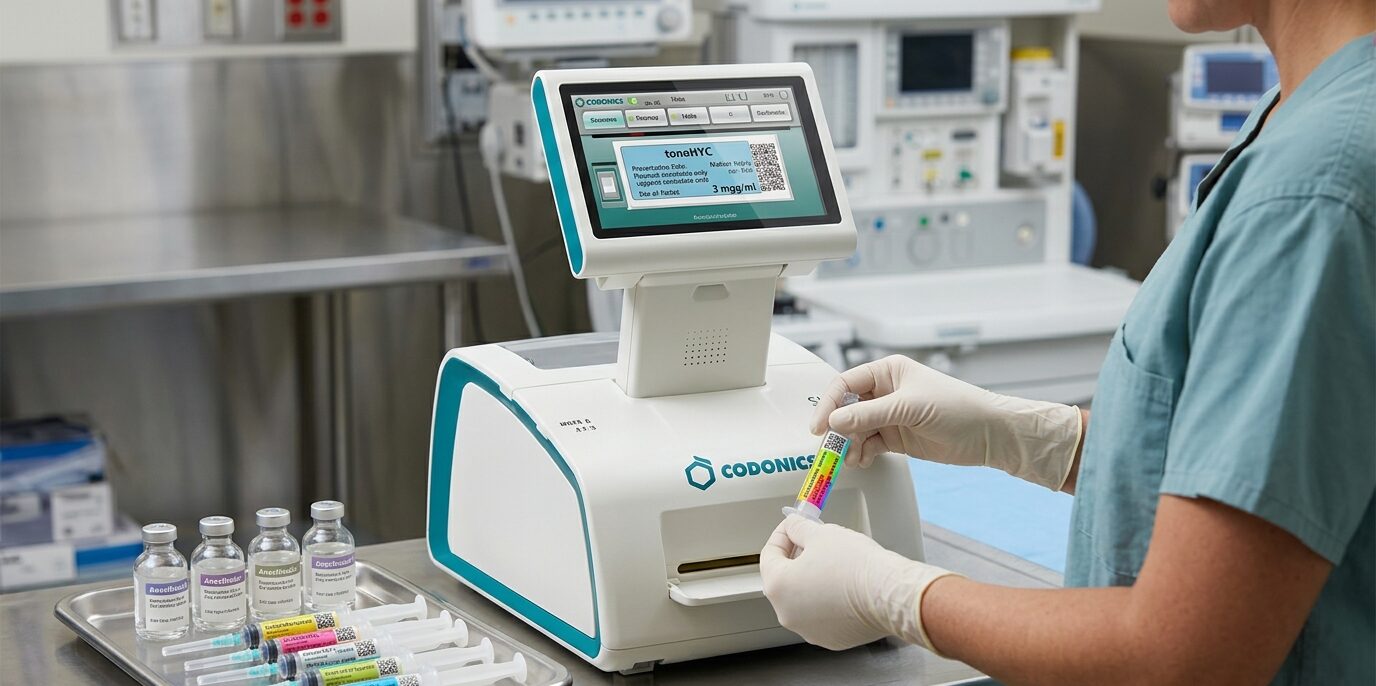
It also supports automation. Barcode-enabled labels allow laboratories to track specimens electronically, reducing manual data entry and improving overall accuracy.
To stay compliant and efficient, laboratories should focus on a few key strategies:
Many lab managers assume that purchasing labels directly from OEM suppliers is the only way to remain compliant. In reality, third-party manufacturers like Nev’s Ink provide fully compatible alternatives that meet regulatory standards at a significantly lower cost.
Nev’s Ink specializes in high-quality, durable, lab system-compatible labels designed for university and hospital laboratories and to perform reliably under tough conditions such as refrigeration, freezing, and chemical exposure. By switching to a trusted third-party supplier, labs can reduce supply costs while maintaining the same level of compliance and performance.
Failure to meet CLIA or CAP standards can result in corrective action plans, fines, or even loss of certification. Labeling errors are among the most common reasons for deficiencies.
Yes, as long as the labels meet all required elements and performance standards. Many labs use third-party suppliers like Nev’s Ink to reduce costs while maintaining compliance.
Barcodes improve traceability by allowing specimens to be tracked electronically. This reduces manual errors and supports audit-ready documentation.
CLIA requires most laboratory records to be retained for at least two years, though some records may require longer retention depending on the test type.
Yes. Standardized labeling ensures consistency across all specimens, making it easier to demonstrate compliance during inspections and reducing the likelihood of errors.