
In veterinary labs, accuracy depends on more than just skilled technicians and advanced equipment. It starts with something much simpler: the label.
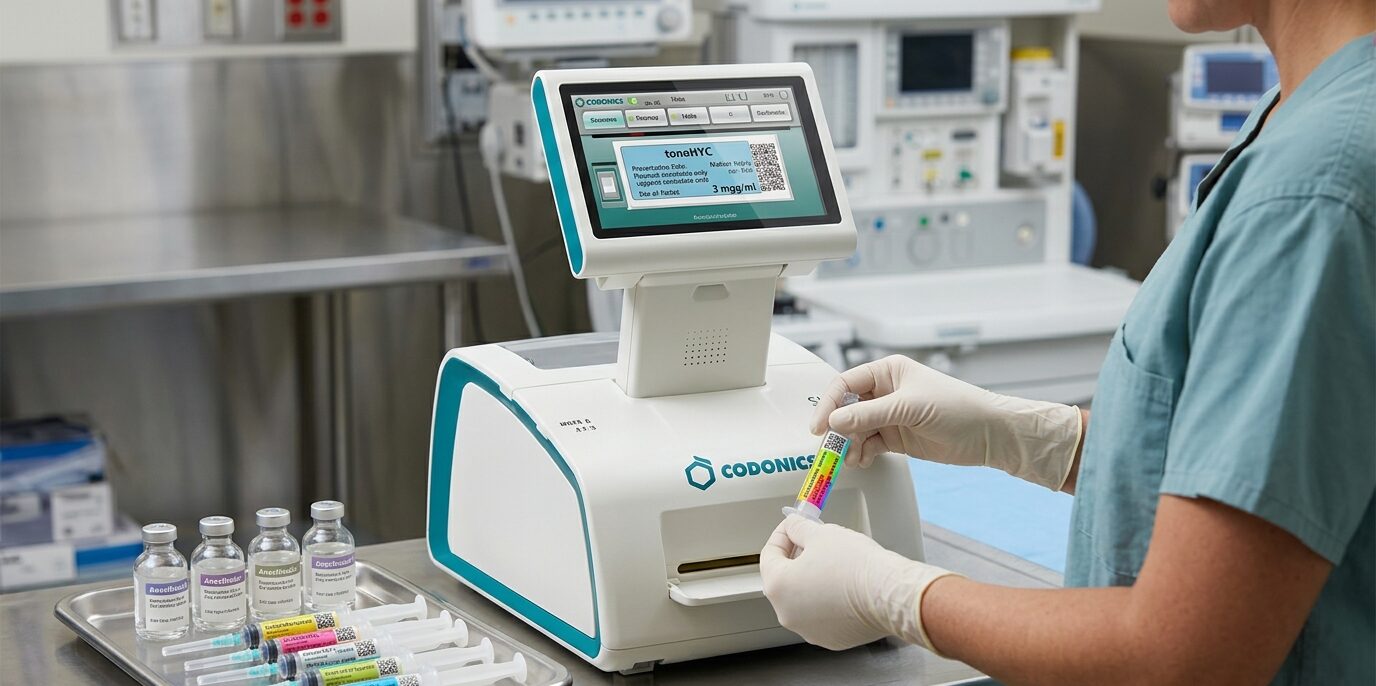
From specimen tubes to cage cards, labels are used to identify patients, track samples, and ensure the integrity of test results. When labels fail, the consequences can be serious. Misidentification, delayed diagnoses, and compliance risks are all on the table.
For veterinary clinic managers and lab directors, choosing the right label is not just a supply decision. It is a critical part of maintaining efficient, error-free operations.
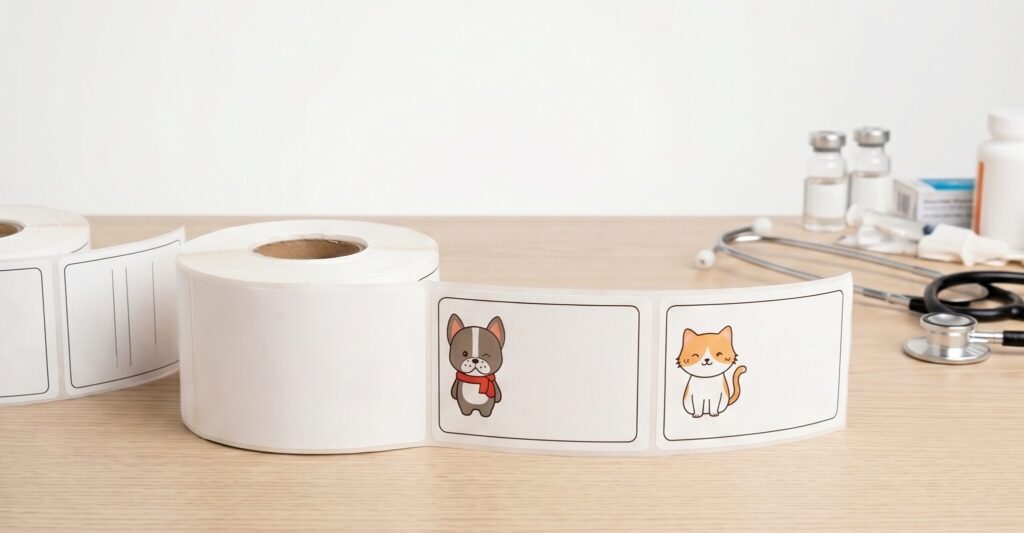
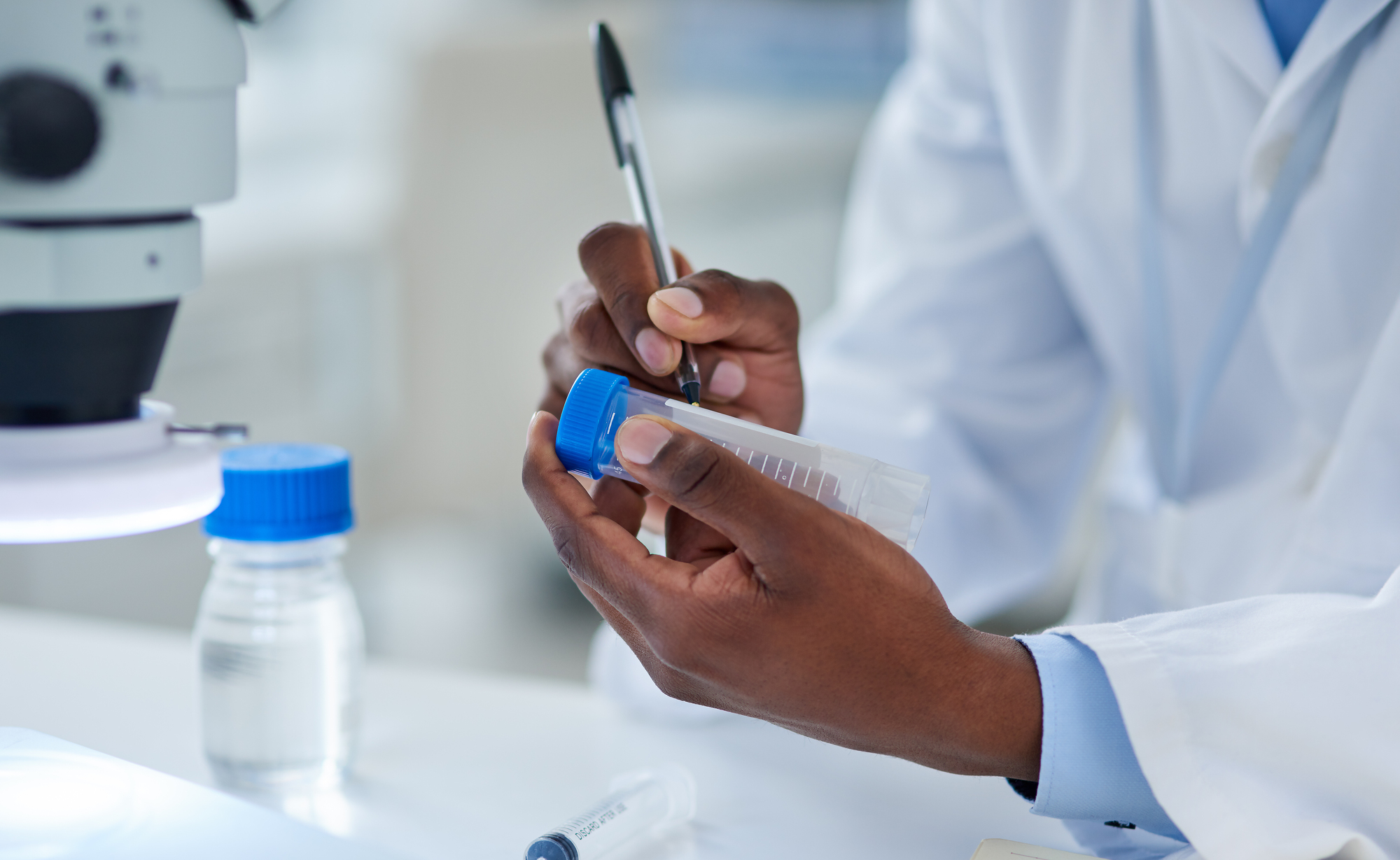
Every sample that enters your lab must be clearly identified and traceable from start to finish. Whether you are handling blood samples, biopsy slides, or medication labels, consistency and durability are essential.
Veterinary environments are often more variable than human healthcare settings. Different species, varied sample types, and fast-paced workflows increase the risk of labeling errors. A label that smears, fades, or falls off introduces unnecessary risk into an already complex system.
For clinics and labs that prioritize accuracy, durable labeling is a foundational part of quality control.
Not all labels are built for laboratory use. Many standard labels fail quickly under real-world conditions. These failures are more than minor inconveniences. They can result in lost samples, repeated testing, and even compromised patient care.
Common issues include:
Veterinary labs expose labels to a wide range of environmental stressors. Understanding these conditions helps explain why specialized labels are necessary.
Many specimens must be stored in refrigerators or ultra-low freezers. Standard labels often lose adhesion or become brittle in these conditions.
Frequent temperature changes create condensation on containers. Labels that are not waterproof can quickly degrade or detach.
Lab environments regularly involve exposure to solvents, disinfectants, and other chemicals. Low-quality labels may dissolve or smear when exposed.
Specimens are handled multiple times throughout the testing process. Labels must remain intact and legible despite repeated contact.
Choosing the right label material is essential for long-term performance and reliability. The following options are widely used in veterinary settings:
Waterproof labels are designed to resist moisture and condensation. They are ideal for refrigerated storage and environments where spills or splashes are common. Some waterproof labels are also Xylene-resistant / Alcohol-resistant.
Cryogenic labels are built to withstand extremely low temperatures. These labels maintain adhesion and readability even in deep-freeze conditions, making them essential for long-term specimen storage.
Thermal transfer labels offer superior print durability compared to direct thermal options. They are resistant to smudging and fading, making them ideal for high-touch environments.
These labels are designed to keep text and barcodes clear, even with frequent handling. They are especially useful for maintaining scan accuracy.
Direct thermal labels are a good fit for short-term veterinary lab applications where labels are printed on demand. They do not require ink, toner, or ribbons, making them efficient for fast-paced workflows.
Many veterinary practices rely on Zebra printers for their labeling needs. This makes Zebra-compatible labels a practical and widely adopted solution.
Nev’s Ink offers high-quality Zebra-compatible veterinary labels that integrate seamlessly with your existing systems. These labels are engineered for durability and designed to meet the demands of veterinary lab environments. Dymo printers are also very popular in veterinary clinics nationwide, which is why we offer top-quality Dymo-compatible labels at a significant discount..
One of the biggest advantages is cost savings. Clinics can typically save 30% or more by switching from OEM Zebra labels to compatible options from Nev’s Ink. This allows labs to reduce supply costs without sacrificing performance or reliability.
Even the best labels need proper application to perform effectively. A few simple practices can make a significant difference:
For over 35 years, Nev’s Ink has provided high-quality labeling solutions to healthcare and veterinary professionals. Their products are designed with real-world lab conditions in mind, ensuring durability, clarity, and reliability.
From waterproof specimen labels to Zebra-compatible solutions, Nev’s Ink offers a wide range of options tailored to veterinary workflows. Their commitment to quality and fast turnaround times makes them a dependable partner for labs of all sizes.
In a veterinary lab, there is no room for error when it comes to specimen identification. Durable labels are not just a convenience. They are a necessity.
By investing in the right materials and standardized systems, your lab can reduce errors, improve efficiency, and maintain the highest level of patient care.
If your current labels are failing under pressure, it may be time to upgrade. Explore Nev’s Ink’s full selection of veterinary board-and-care labels, including Zebra-compatible options designed for durability and performance.
Need help finding the right label for your workflow? Contact the Nev’s Ink team today to get expert guidance and a solution tailored to your clinic.