
When it comes to animal care, labeling might not be the first thing that comes to mind, but it plays a critical role in AVMA compliance, clinic organization, and patient safety.
The American Veterinary Medical Association (AVMA) provides guidelines that shape how care is documented, medications are handled, and animals are tracked, all areas where labeling is essential. So, are your labels AVMA-ready?

The AVMA publishes a wide range of policies covering veterinary ethics, client communication, and proper recordkeeping. While they don’t issue direct labeling mandates, their guidelines heavily influence how veterinary clinics document care, especially when it comes to:
To stay aligned with these standards, veterinary practices must ensure that labels are:
Here’s where AVMA veterinary labels matter most in daily clinic workflows:
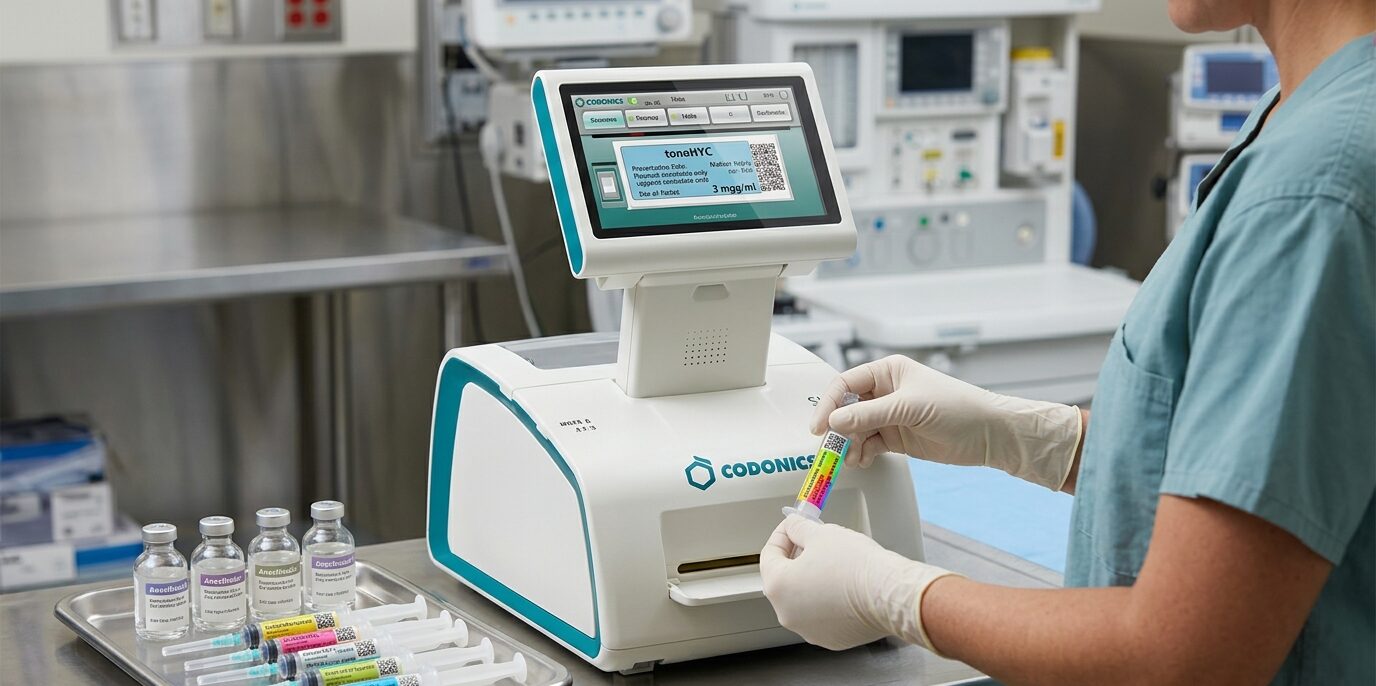
Pharmacy-style drug labels ensure proper dosage, administration instructions, and refill info. In many states, improperly labeled medications are a compliance violation.
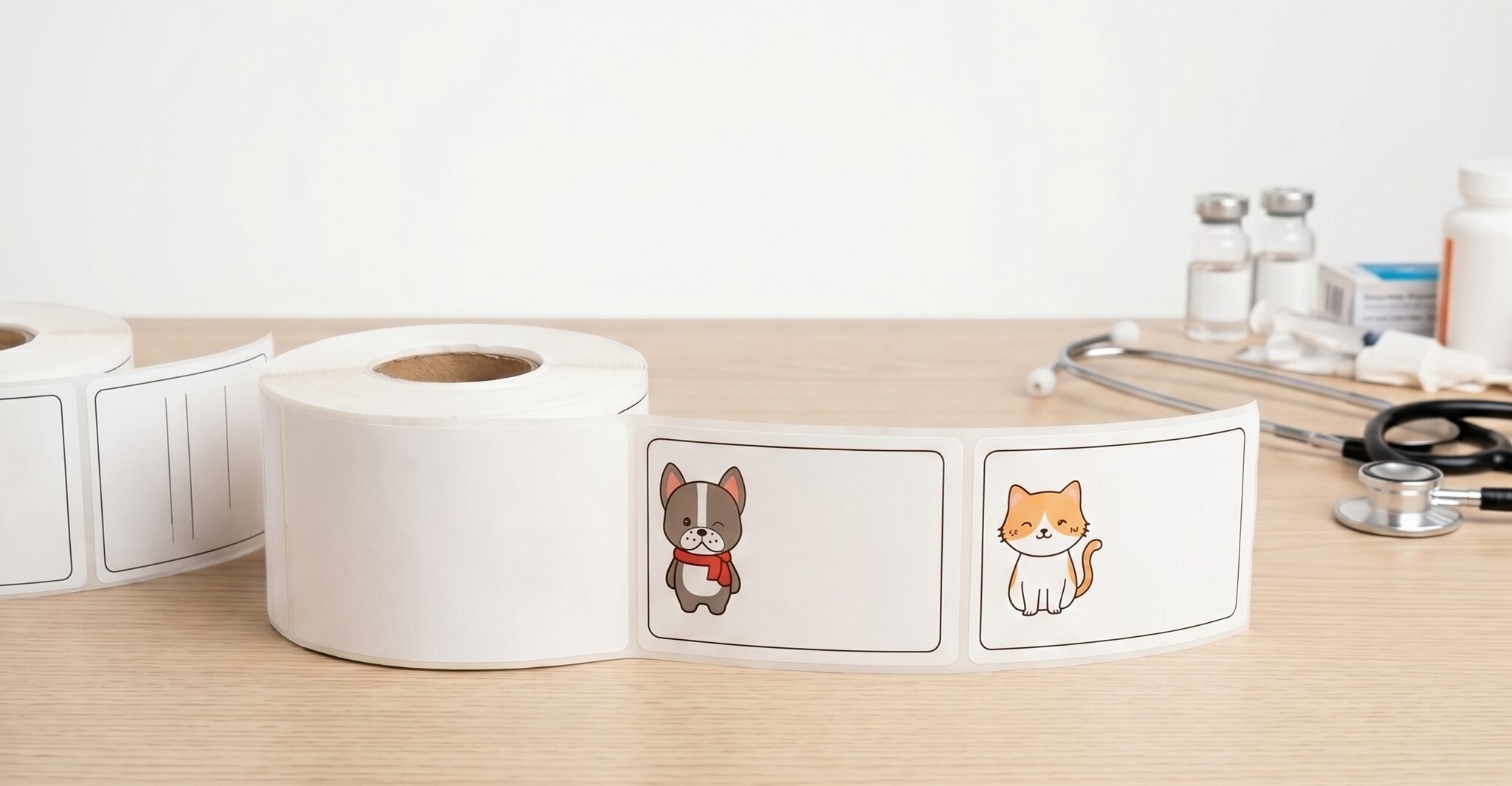
During treatment, surgery, or extended stays, cage labels help your staff communicate feeding schedules, medication timing, temperament notes, and more.
Use chart labels to track procedures, vaccines, allergies, or discharge notes. Clear labeling ensures all team members are on the same page, even across shifts.
Color-coded warning labels help prevent harmful mix-ups or allergic reactions. This is especially important when dealing with high-risk medications or aggressive animals.
While AVMA policies are a strong national framework, each state has its own veterinary medical board, which may include specific labeling rules for prescriptions, controlled substances, and patient tracking.
For example, some states require:
For over 35 years, Nev’s Ink has been a trusted provider of medical and veterinary labels. We understand the unique needs of animal clinics, shelters, and veterinary hospitals, and we carry labels built for performance and compliance.
AVMA compliance isn’t just about policies, it’s about how you implement them. With the right veterinary labels, you can support safe medication use, improve internal communication, and reduce the risk of documentation errors.Is your practice using labels that meet AVMA expectations? If not, it might be time to upgrade. Nev’s Ink is here to help your clinic stay organized, compliant, and ready to deliver the highest standard of care.