
As the medical aesthetics industry expands, so do the expectations for regulatory compliance. Whether running a boutique med spa or a large-scale laser clinic, staying organized and compliant isn’t just good business—it’s essential for protecting your license, staff, and patients.
In this guide, we’ll walk through key elements of med spa compliance, the role of medical spa labeling, and how to navigate legally sensitive practices like off-label drug use—with practical tips you can implement today.
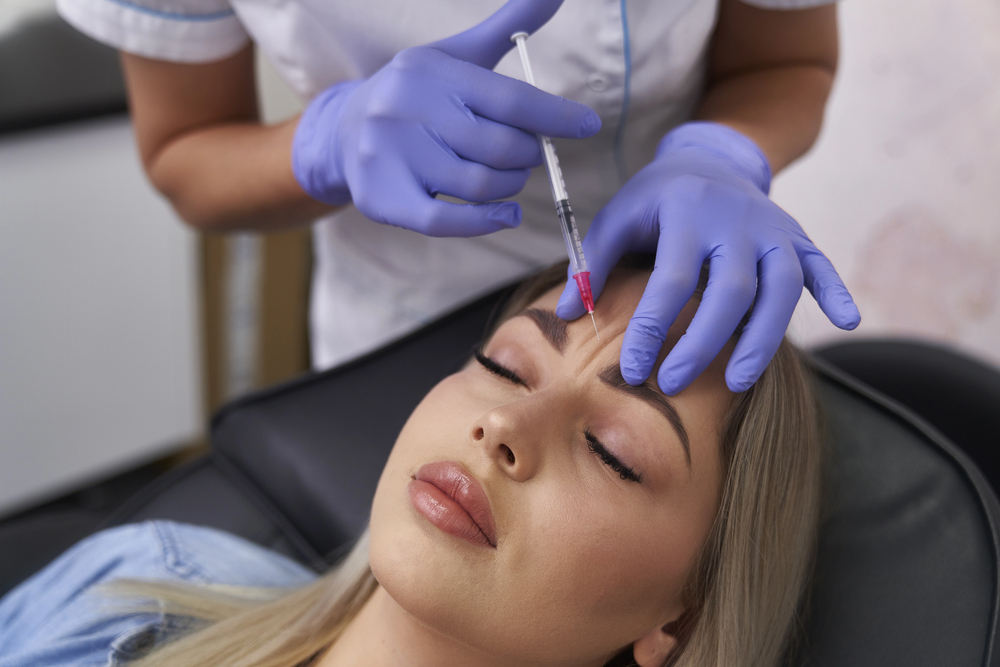
Med spa compliance involves following all relevant laws, regulations, and clinical standards related to the operation of a medical spa. This includes supervision and delegation rules, scope of practice, patient documentation, informed consent, and the proper use of medical devices and medications.
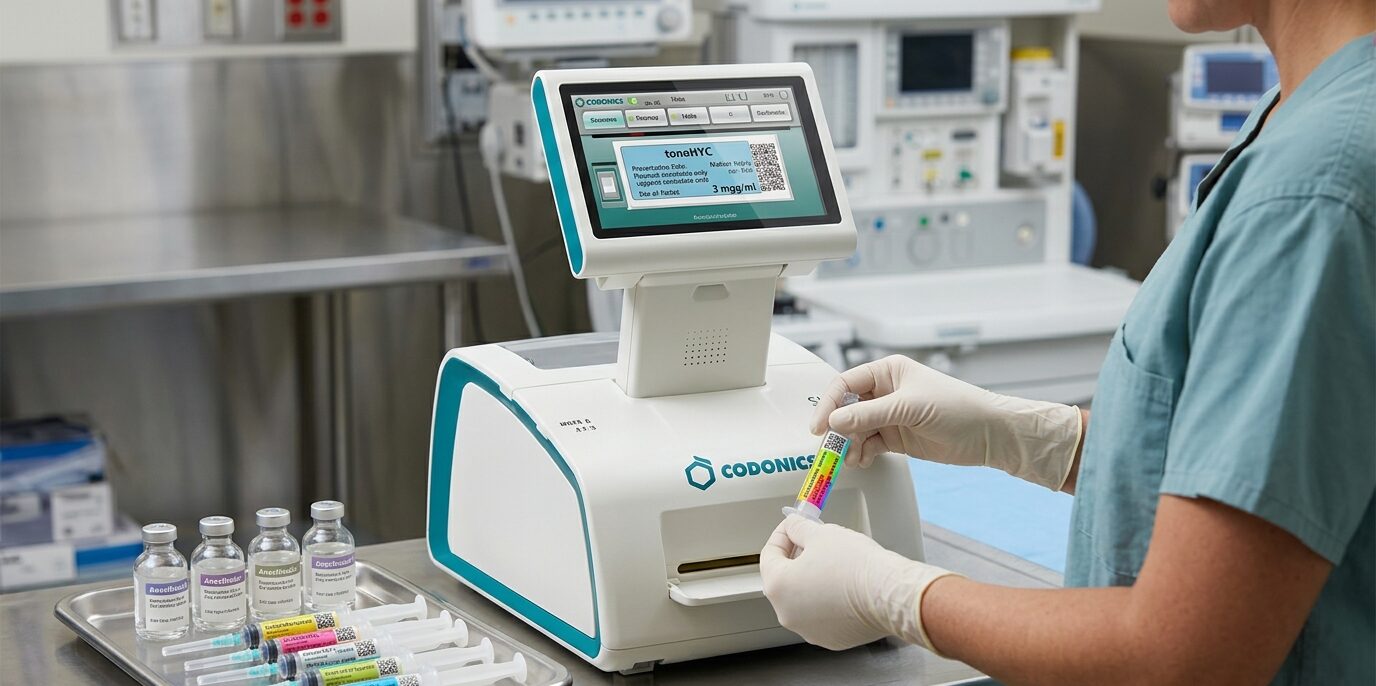
Labeling supports nearly every part of that equation. Whether you’re organizing syringes, tracking expiration dates, or flagging allergy information on patient charts, the right labels help:
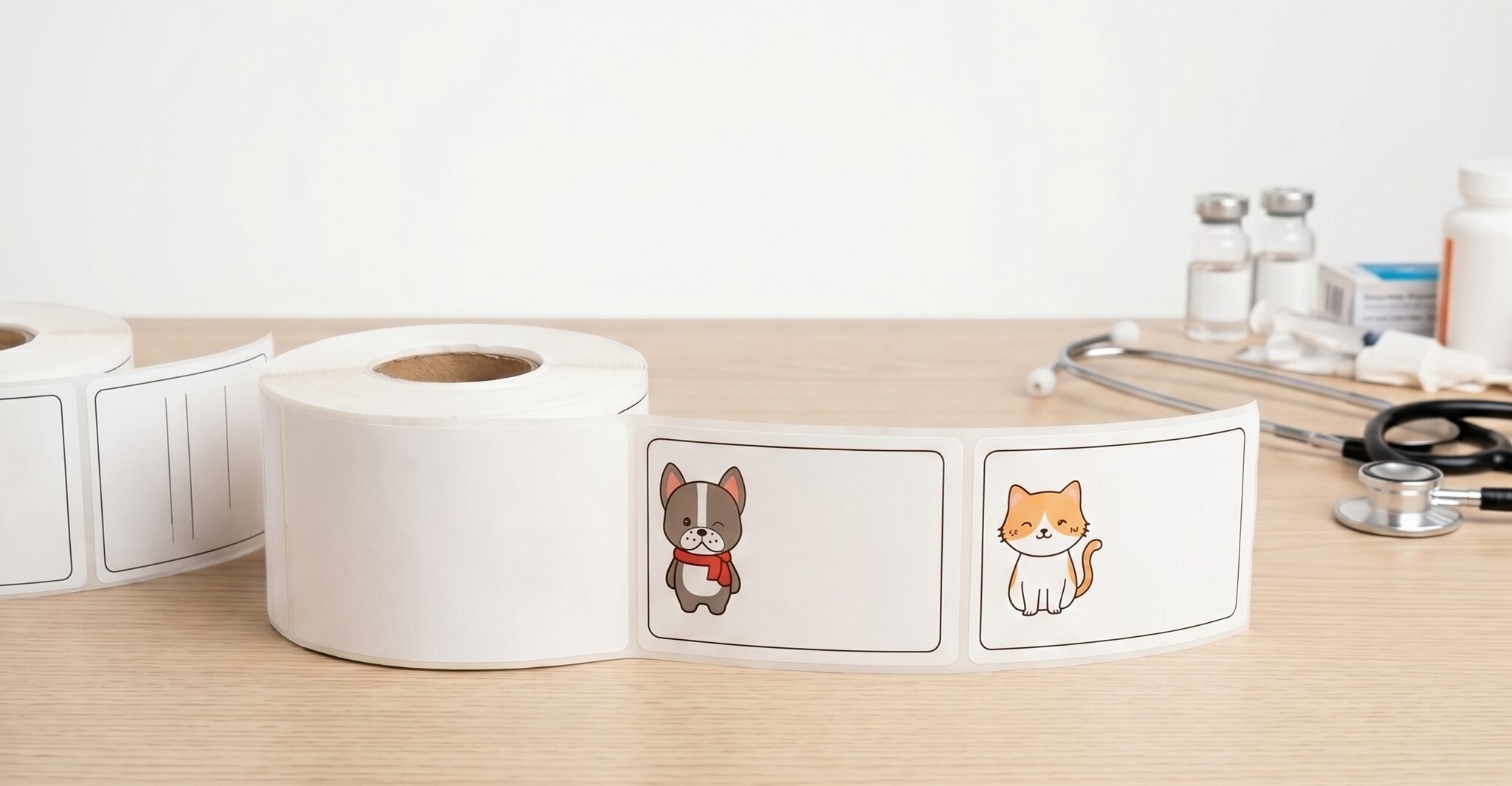
If you’re just starting to build out or standardize your laser or med spa’s labeling system, here are the core label types that most aesthetic practices rely on:
Used to clearly mark expiration dates on vials, prepped injectables, or opened products. Crucial for medication safety and compliance with state and FDA storage guidelines.
Attached to patient charts, intake forms, or treatment areas to prevent exposure to known allergens. Helps avoid adverse reactions and ensures all team members are aware.
Label all injectables and related supplies (syringes, bottles, trays) with the product or drug name, dosage, and/or treatment area to prevent mistakes and ensure effective, accurate med spa treatments.
Used to mark procedures performed, consent obtained, medications used, or follow-up notes. Improves accuracy and continuity of care across providers.
Broad category including pre/post-injection tracking, vitals documentation, and labeling for IVs, medication prep, or sedation.
Small, visible labels attached to syringes for quick ID during treatments. Improves speed and accuracy during busy procedures.
Pro Tip: Avoid handwritten labels whenever possible—pre-printed or thermal-printed options improve legibility and reduce the risk of miscommunication.
One of the most commonly misunderstood areas of medical spa compliance is off-label drug use. According to the American Med Spa Association (AmSpa), off-label use—when a provider uses an FDA-approved drug in a way not specifically approved on the label—is generally legal if:
But here’s where it gets risky:
Improper off-label use can lead to license suspension, medical board censure, or even criminal liability in extreme cases.
Use chart labels to track which product was used, how much, when, and by whom. Make sure this aligns with what’s in the patient’s EMR or physical chart.
Avoid mix-ups by using inject labels and syringe flags with product name, dosage, and treatment area. This is especially important when prepping multiple syringes at once.
Apply expires labels to opened vials, mixed products, or any medication removed from original packaging. Inspect labels regularly to ensure nothing slips through.
Place allergy alert labels where they’ll be seen—on charts, consent forms, and in treatment rooms. Confirm allergies verbally with patients as well.
Include label usage in your onboarding and staff training. Everyone should know when and how to apply each label type.
Always get written informed consent when offering an off-label treatment. Keep documentation in the patient’s chart—and consider using a label to flag this for visibility.
You can’t control every regulation or legal gray area in the aesthetic industry—but you can control how you organize your practice. Consistent, clear medical spa labeling makes your workflow more efficient, your team more aligned, and your documentation more defensible.
It also helps create a more professional patient experience, building trust in your safety standards and attention to detail.
Ready to upgrade your labeling system? Explore Nev’s Ink’s selection of medical spa labels.