
In hospital food service, every tray counts, and so does every hour. Whether you’re running a full-service cafeteria or managing patient-specific dietary orders, food spoilage can quickly become a costly and compliance-sensitive issue.
That’s why top-performing dietary departments rely on date-coded and color-coded labels to manage food safety, streamline tray turnaround, and reduce waste. With the right labeling system, hospital nutrition teams can meet regulatory standards, improve patient safety, and keep operations efficient, all while saving time.
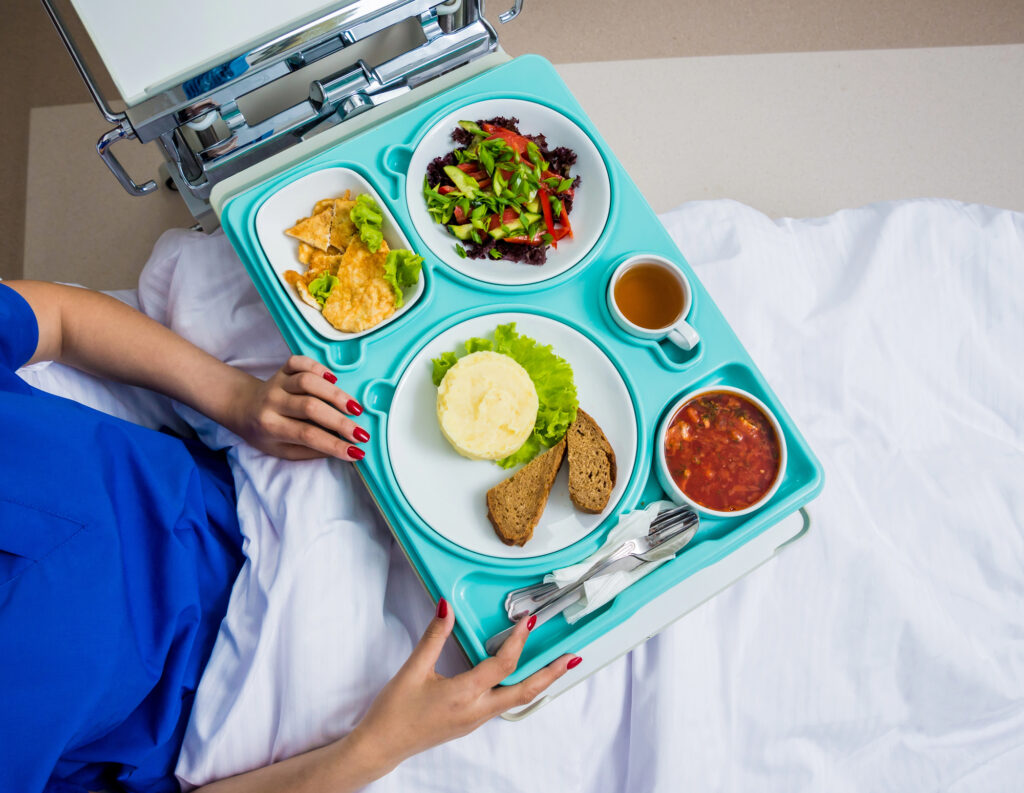
In fast-paced nutrition departments, it’s easy for unlabeled or improperly marked food items to go overlooked. Without a clear labeling system:
By using hospital food labels that include the day of the week, prep or expiration date, and even storage instructions, your team can drastically reduce errors, eliminate guesswork, and keep food flowing safely from prep to plate.
At Nev’s Ink, we’ve developed a range of food safety labels specifically for healthcare environments, where speed, safety, and sanitation are top priorities.
Days of the week labels are a staple in hospital kitchens and cafeterias. Color-coded by day (e.g., blue for Monday, red for Tuesday), these labels make it easy to see when an item was prepped, and when it needs to be discarded.
Use them to:
Expiration date labels allow dietary staff to record exact use-by dates, helping ensure only fresh, safe food reaches patients or guests. They’re especially helpful for:
Dissolvable labels, also known as wash-away labels, are a favorite in hospital kitchens. Why? Because they:
Perfect for reusable containers, stainless steel trays, or prep bins, these labels keep operations flowing, and your dishwashing team happy.
By improving your hospital’s labeling strategy, you’re not just preventing spoilage, you’re staying compliant with:
Plus, reducing spoilage leads directly to cost savings in:
We make it easy to build a food labeling system that meets your hospital’s needs, whether you want ready-to-ship items or custom formats for your nutrition workflow.
A single unlabeled tray can create major headaches in a hospital kitchen. But with the right hospital food labels, from color-coded dayspots to dissolvable prep stickers, you can ensure safety, cut spoilage, and serve patients faster.
Want to improve your food safety workflow? Check out our full line of food service labels or talk to our team about custom solutions built for hospital nutrition departments.